COMMONS PARK PROJECT
Manoomin Public Art Project
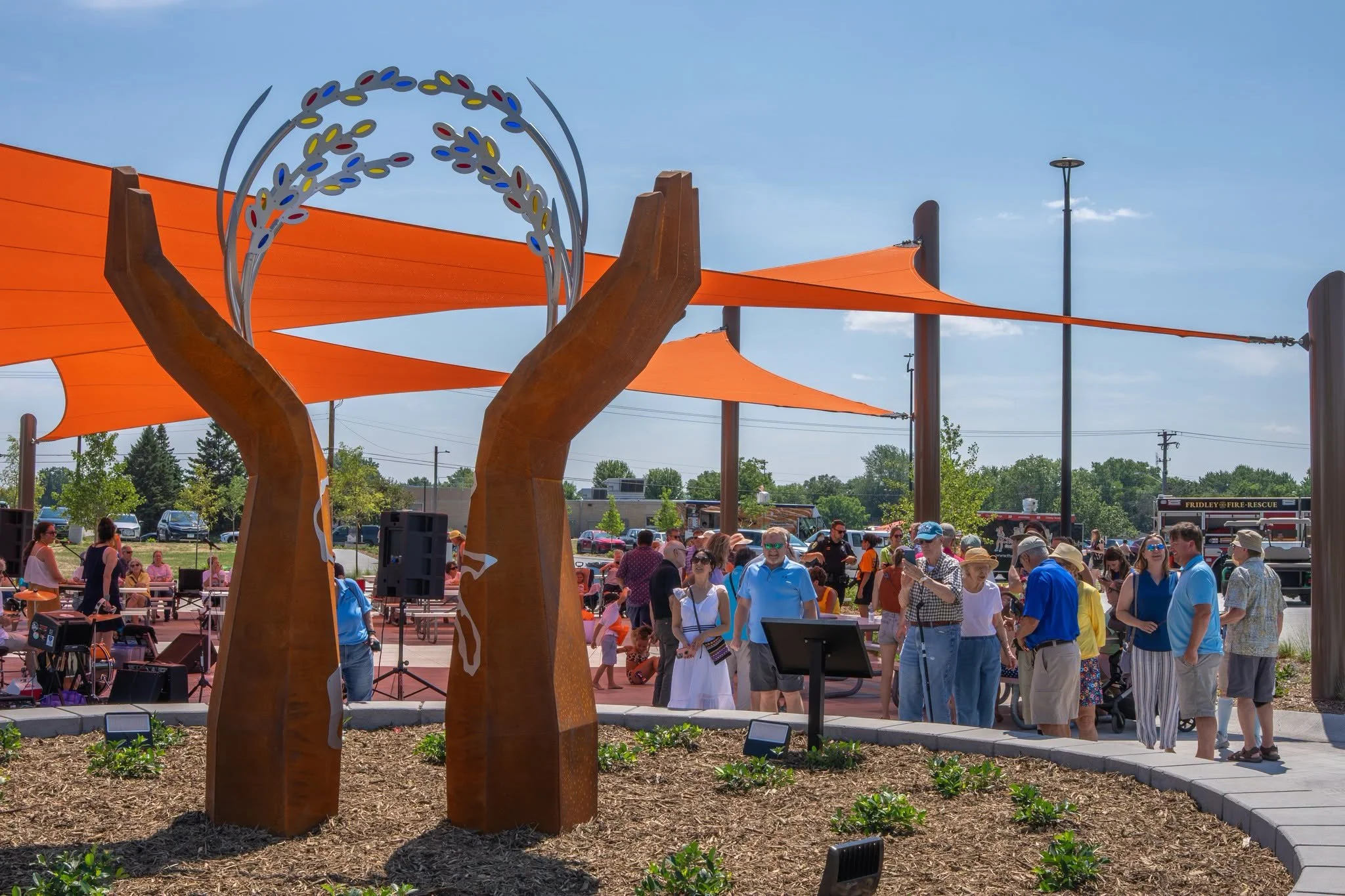
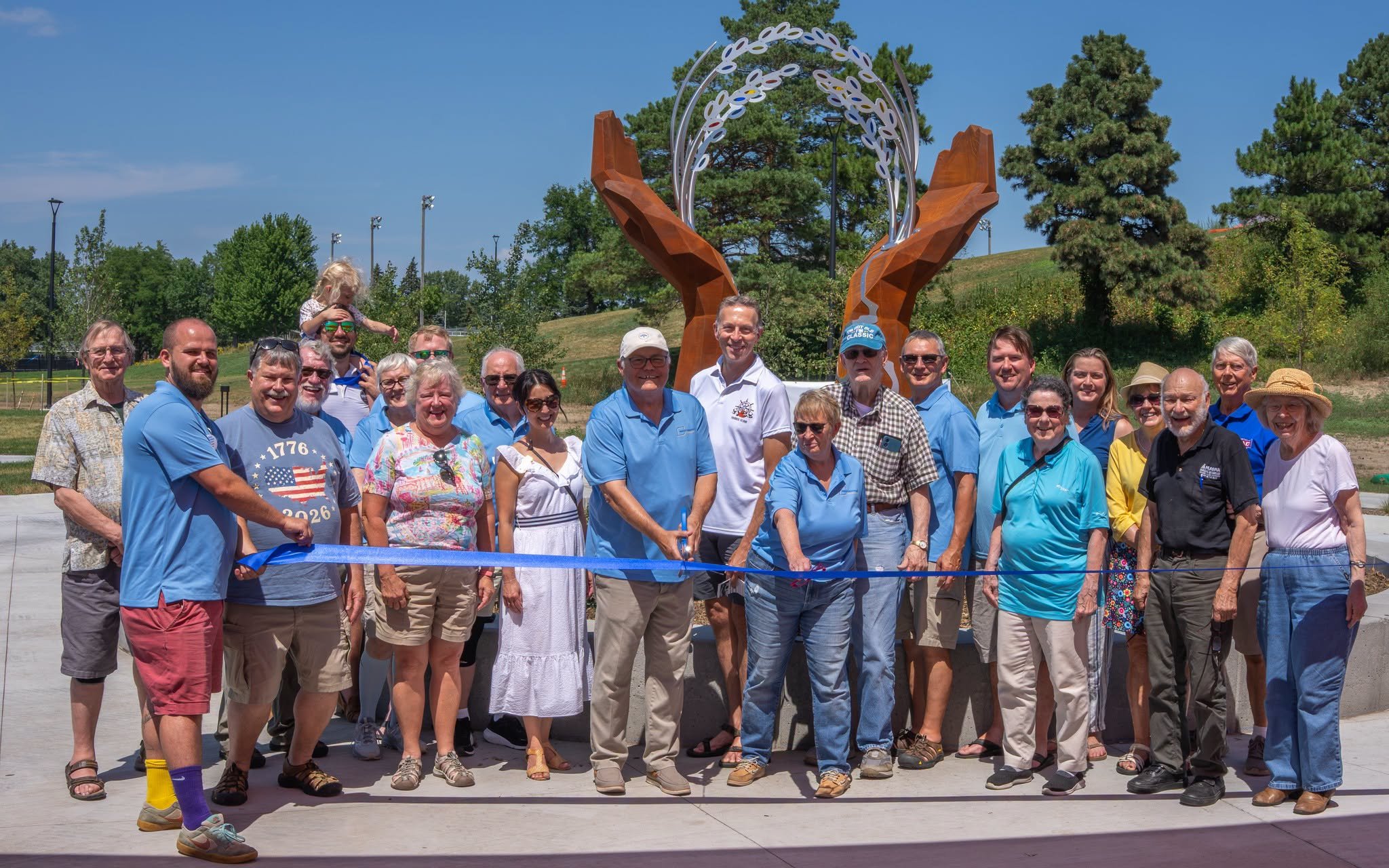
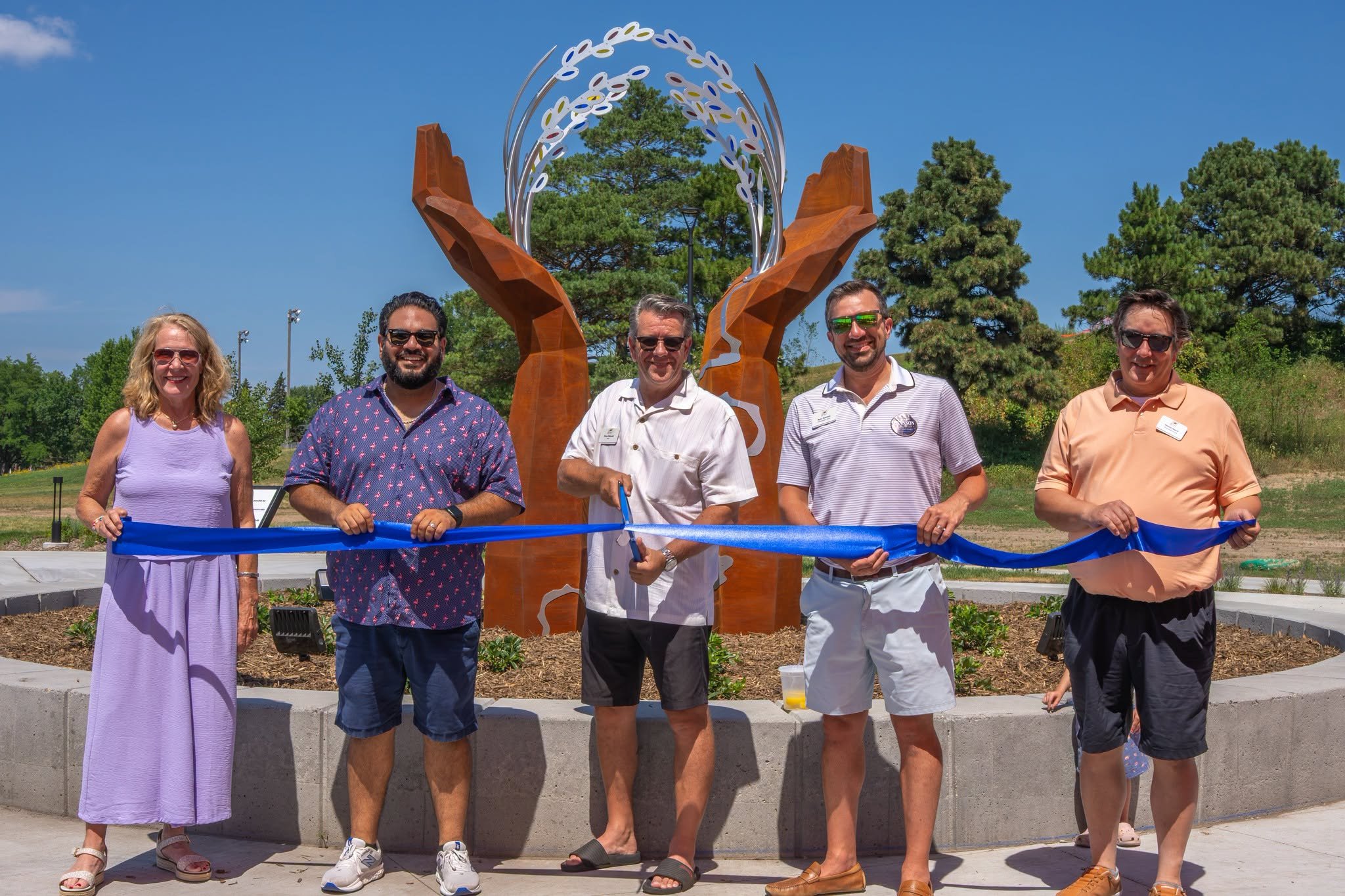
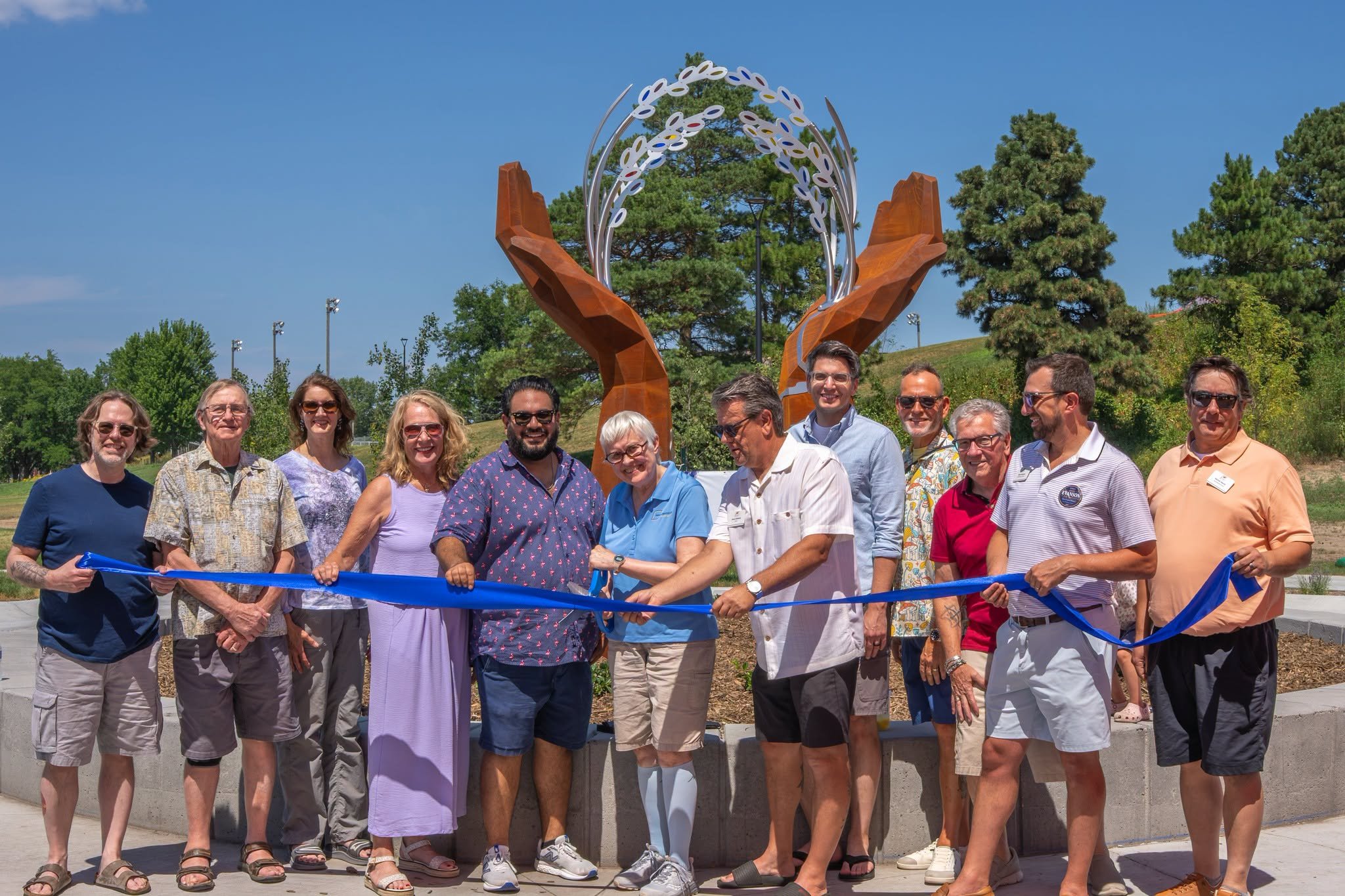
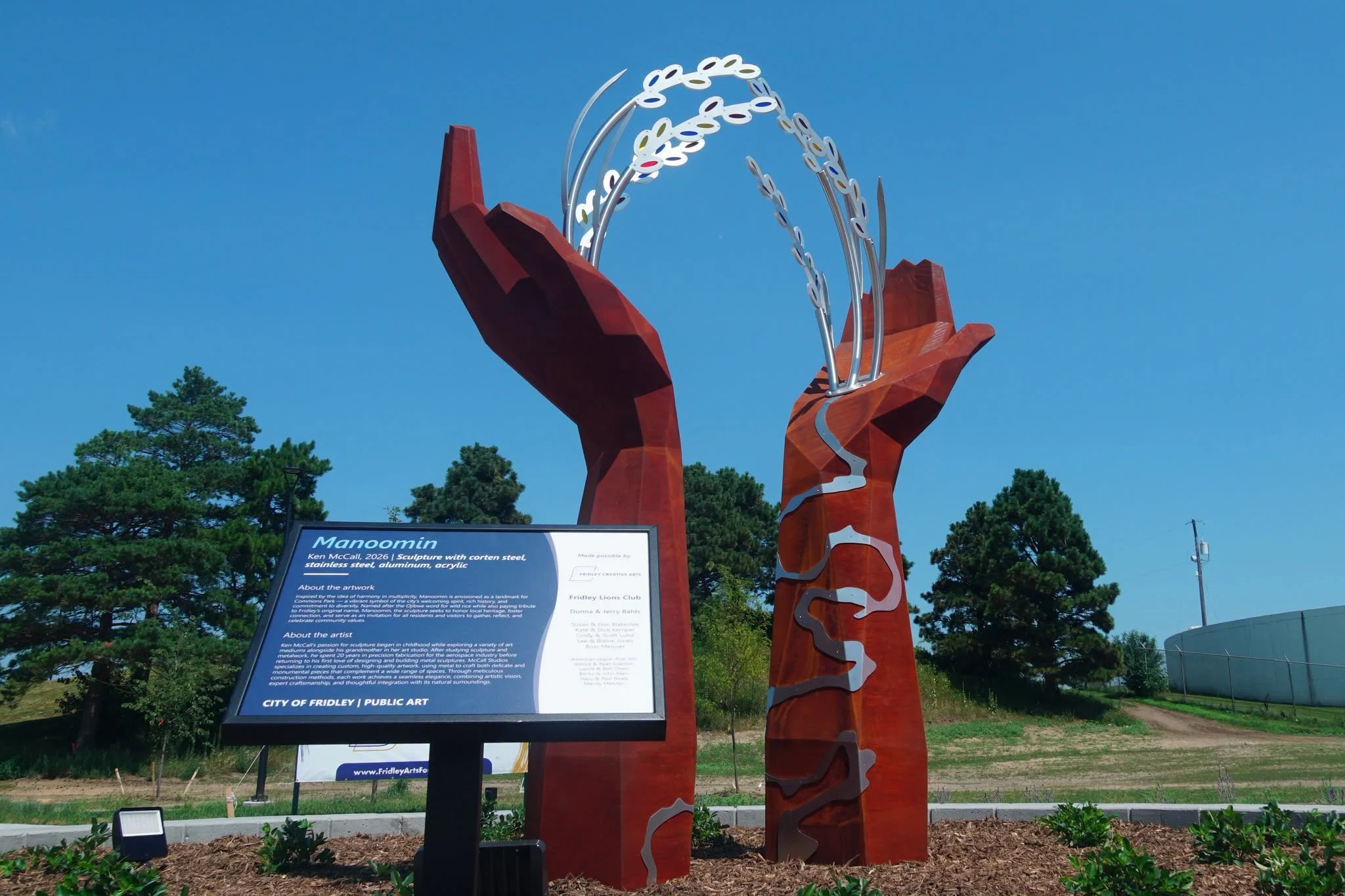
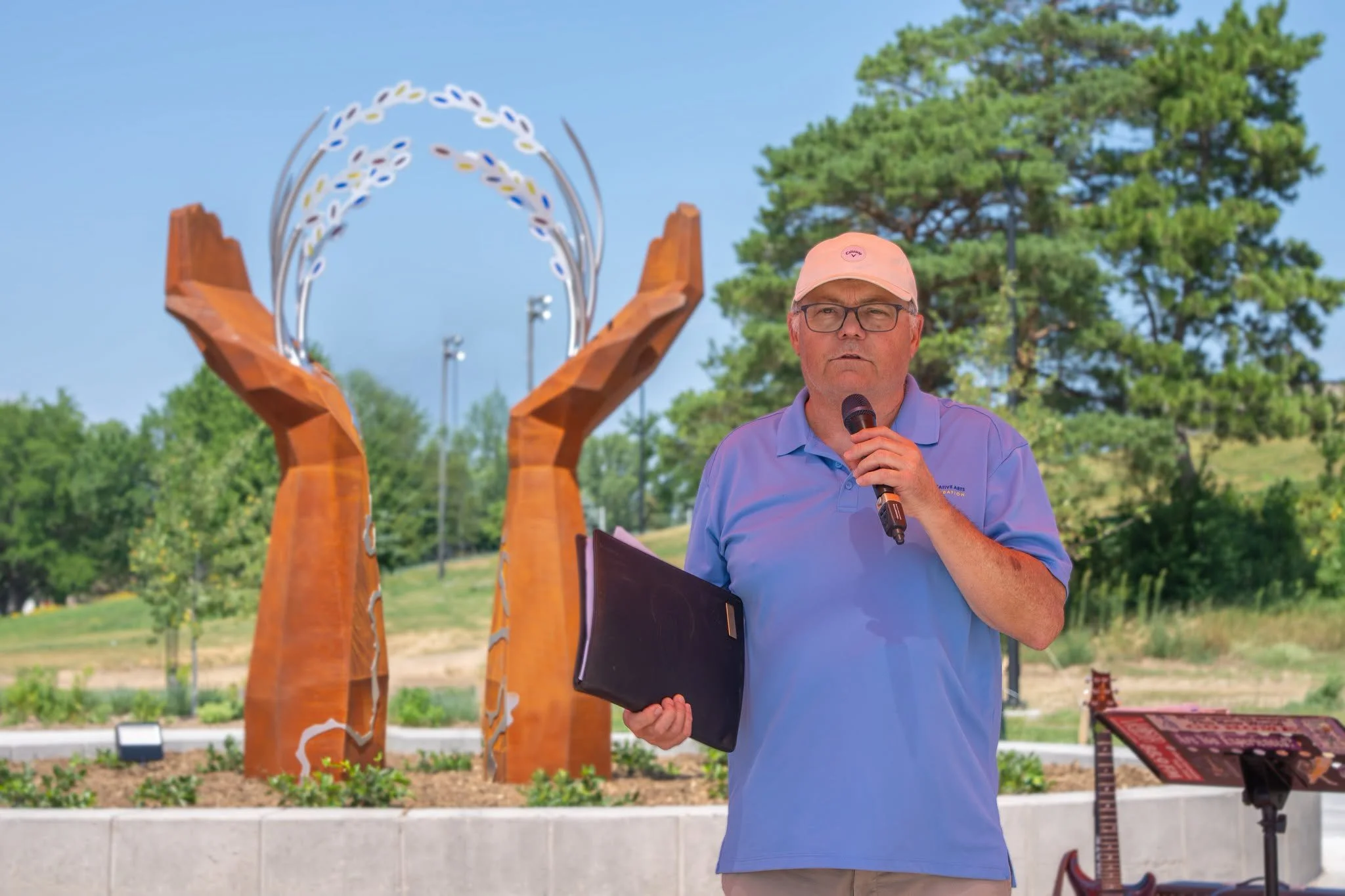
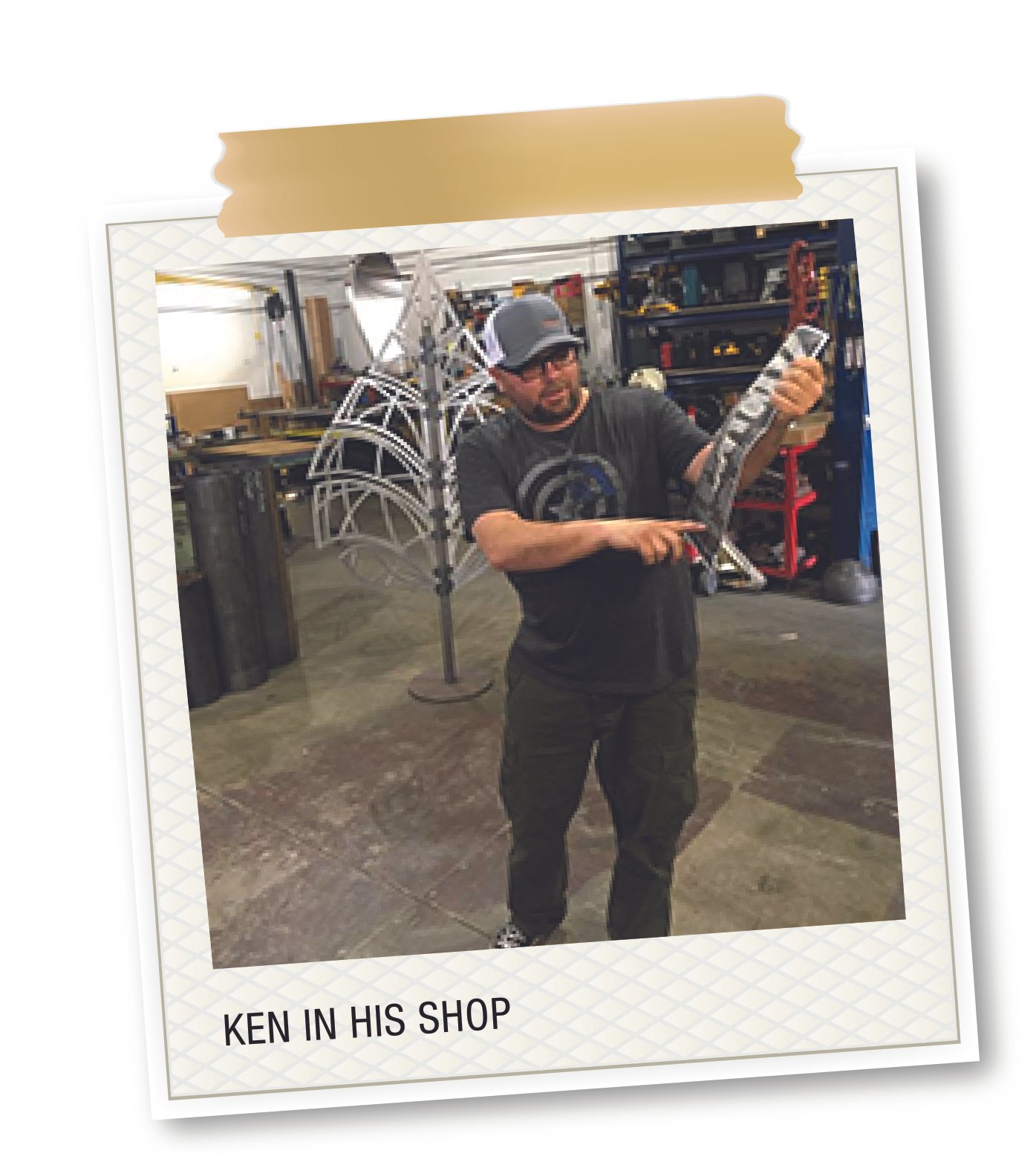
Manoomin is envisioned as a landmark for Commons Park and a vibrant symbol of Fridley’s welcoming spirit, rich history, and commitment to diversity. Named after the Ojibwe word for wild rice, and also paying tribute to Fridley’s original name, Manomin, the sculpture is intended to honor local heritage, foster connection, and invite residents and visitors to gather, reflect, and celebrate community values. This art installation is set to be completed in time for the Fridley ‘49er Days festival, July 16-18, 2026.
About the Project
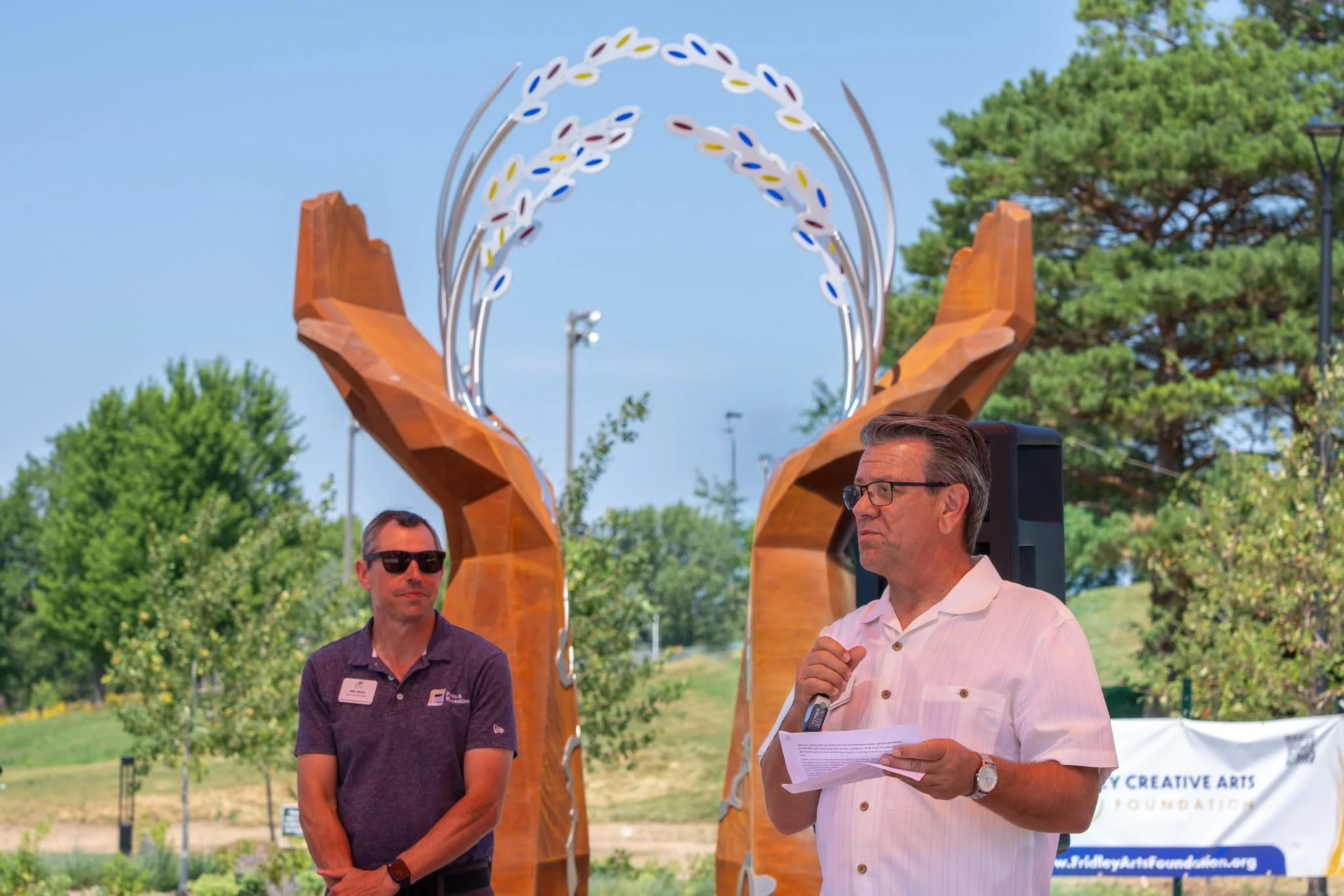
At the heart of the design are open hands, symbolizing Fridley’s friendly, inclusive atmosphere. The hands reach out and cradle sprouting wild rice, a nod to the city’s agricultural roots and the native wild rice that sustains both land and community.
Overlaying the corten steel arms and hands is an artistic mapping of Rice Creek, accurately rendered to pay tribute to an essential natural feature and its influence on local life.
About the Artist
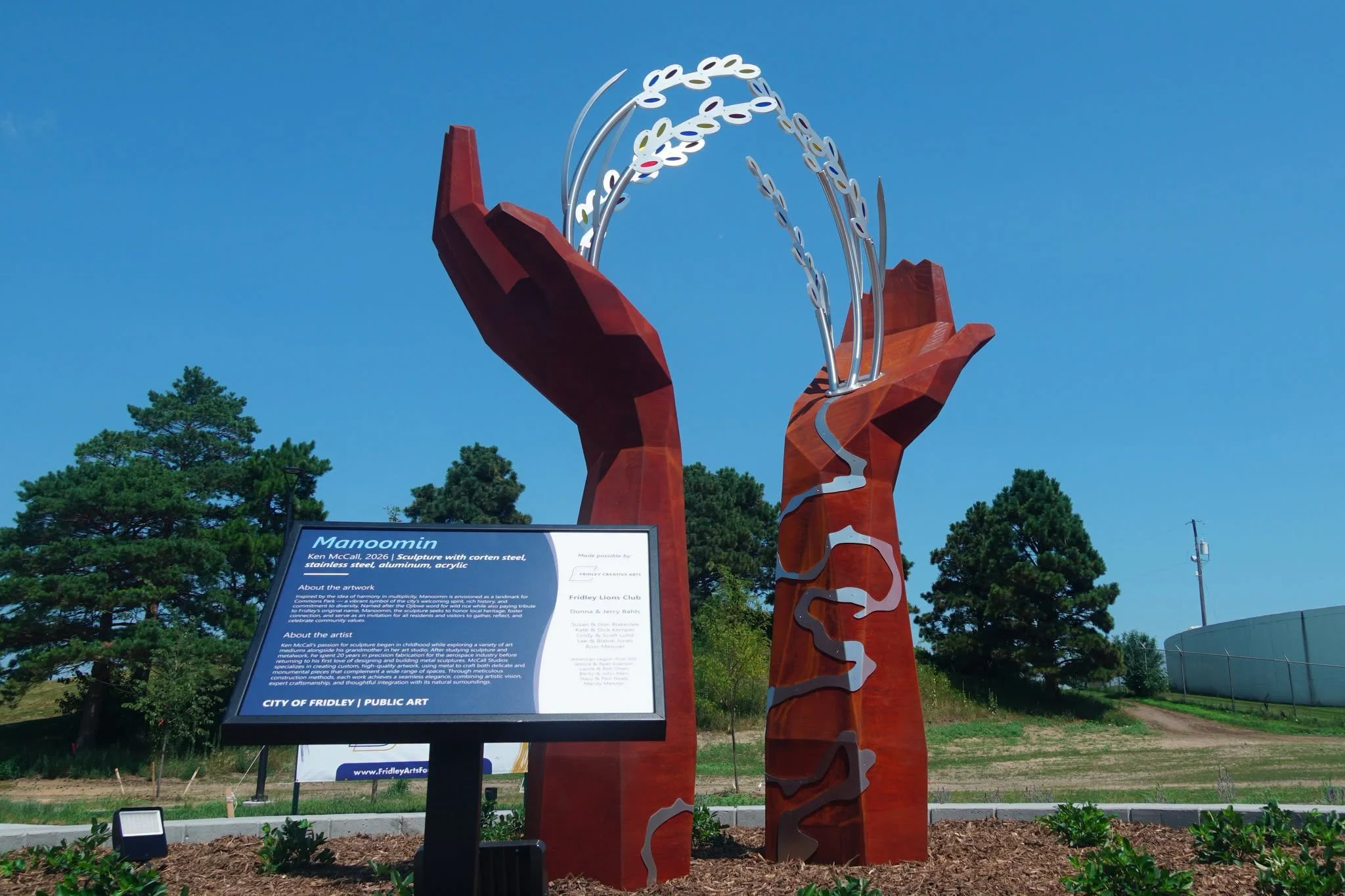
Ken McCall is a public artist based in Idaho City, Idaho, and the founder of McCall Studios. He designs and fabricates large-scale public artworks for communities across the country, working primarily in metal and mixed media with a strong emphasis on craftsmanship and storytelling.
McCall’s work often explores themes of welcome, identity, and shared experience, using symbolic forms that invite interaction and reflection. Through close collaboration with cities and civic partners, he creates public art that enhances community spaces while honoring local history, environment, and values.
Meaning & Symbolism
Every element of Manoomin carries layered meaning:
Welcoming Hands: A universal gesture of friendship and hospitality, inviting interaction, reflection, and a sense of belonging.
Wild Rice (Manoomin): Connects the piece to Fridley’s agricultural heritage and acknowledges the Ojibwe people, for whom wild rice is sacred and sustaining.
Rice Creek Depiction: Honors the local environment and highlights the importance of stewardship.
Unity and Diversity: Reflects a message of unity in diversity, celebrating shared roots while embracing growth and change.
GENEROUS DONORS
This project was made possible through the generous support of community members and local organizations who helped bring Manoomin to Commons Park.
Fridley Lions Club
Donna and Jerry Bahls
Kate and Dick Kemper
Lee and Blaine Jones
Ross Meisner
Susan and Don Blakeslee
Cindy and Scott Lund
John and Becky Allen
Mandy Meisner
Stacy and Paul Nealy
Laurie and Bob Olsen
Jessica and Ryan Evanson
Fridley American Legion
Maija and Frank Sedzielarz
BoB’s Produce Ranch
Irene and Joe Maertens
Smoothies Enterprises LLC
Mary and Mike Varichak